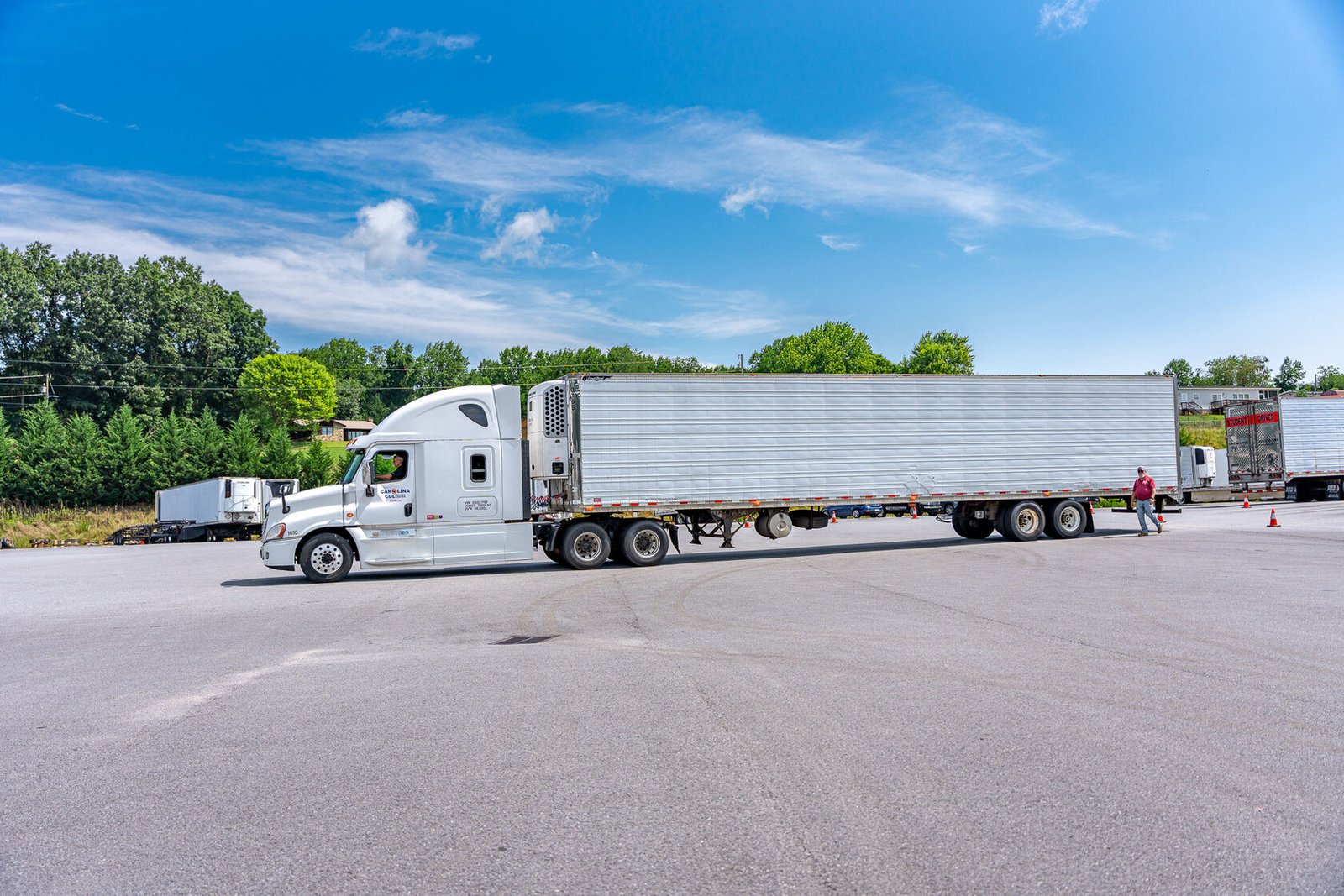
When people picture trucking, they often imagine one thing, a driver alone on a long highway, weeks from home. That is one kind of job, but it is not the only kind. The truth is that "truck driver" covers very different lifestyles, and the difference between them is mostly about home time. Pick the wrong fit and a good-paying job can still feel like the wrong job. Pick the right one and the work fits around your family instead of pushing it aside. Here is how the three main paths compare.
OTR: over-the-road
OTR means long-haul. You run loads across the country and you are often away from home for two to four weeks at a stretch before you get back for reset time. You live in the truck during that run, sleeping in the sleeper berth, eating on the road, and racking up the most miles of any driving job.
The upside is real. OTR usually offers the most miles early on, which can mean a higher gross paycheck in your first year, and you genuinely see the country. For a single driver who wants to bank miles and experience fast, it can be a strong start. The trade-off is just as real, OTR is the hardest on home life. If you have young kids, a partner who needs you around, or roots you do not want to leave, the weeks away add up quickly.
Regional: the middle ground
Regional driving keeps you inside a multi-state area instead of crossing the whole map. You run shorter lanes and you are typically home weekly, sometimes more often than that. It is the middle path between living in the truck and sleeping in your own bed every night.
Regional works well if you want steady miles and decent pay but still need to be home for most weekends. You give up some of the raw mileage of OTR, but you get a rhythm you can actually plan a life around. Many drivers who start OTR move to regional once they have a year of experience, because it keeps a lot of the pay while giving back most of the home time.
Local: home every night
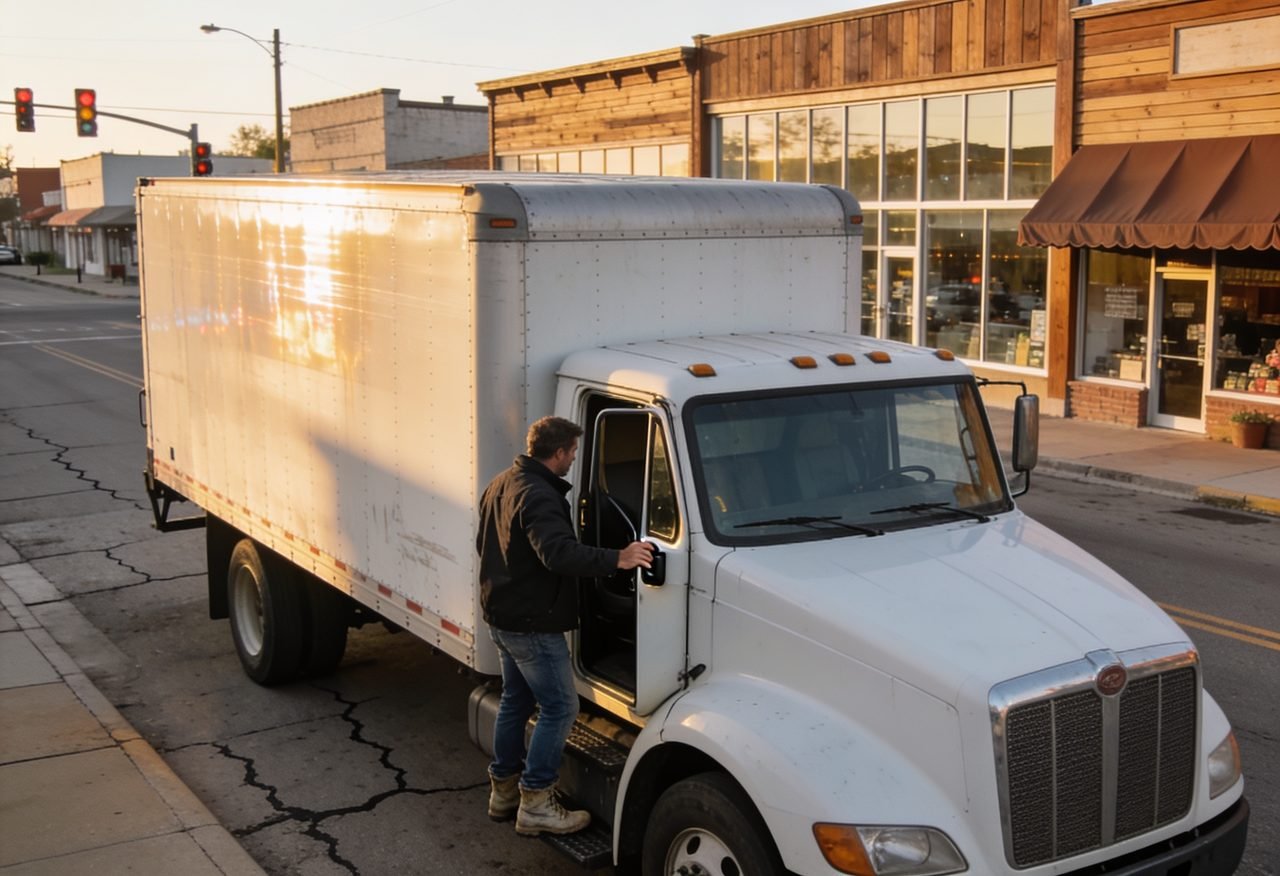
Local driving means day routes that get you home every night. This covers a lot of ground, LTL (less-than-truckload) pickup and delivery, private fleets, vocational work like dump trucks and construction hauling, and dedicated routes. For most drivers with families, local is the best work-life balance you can get behind the wheel.
A close cousin worth knowing is dedicated work, where you run the same lane or the same customer over and over. Dedicated routes give you a predictable schedule and predictable pay, which makes budgeting and family planning much easier. Some dedicated jobs are local, some are regional, but the common thread is consistency.
What about the pay?
Pay deserves an honest answer, not a sales pitch. The median wage for heavy and tractor-trailer drivers is around $57,000 a year, and first-year drivers often start somewhere in the $45,000 to $65,000 range depending on the job and the miles. Experienced local and specialized roles frequently climb into the $70,000 to $90,000-plus range.
Here is the part most people miss. OTR can pay more gross early because of all those miles, but local pay often catches up as you gain experience, and it gives you a far better life while it does. So the smart question is not just "which pays more this year," it is "which pays well and fits the life I want." We never promise exact pay or guarantees, your numbers depend on the carrier, the freight, and you. For a deeper breakdown, see our look at CDL earning potential.
Where the jobs are heading
The industry is shifting in a way that favors drivers who want to be home more. Carriers are regionalizing, building shorter lanes, because home time is the number one reason drivers quit. That means employers are competing hardest right now for home-daily, regional, and dedicated jobs. If staying close to your family matters to you, the market is moving in your direction.
Here in Western North Carolina, that trend is even stronger. There is heavy local demand for dump trucks, construction hauling, and materials work, a lot of it tied to the ongoing Hurricane Helene rebuild. That is steady, close-to-home work for drivers who would rather sleep in their own bed. You can see the kinds of openings in our area on our Western NC trucking jobs page.
Which license opens which doors?
Your license shapes your options. A Class A CDL opens the widest range across all three paths, local, regional, and OTR, and gives you the most freight to choose from. A Class B CDL works well for local and vocational driving like dump trucks, box trucks, and buses. Not sure which to pursue? Our Class A vs. Class B guide walks through it.
The bottom line
There is no single best answer, only the best fit for your life. Want maximum early miles and you are free to roam? OTR. Want solid pay and most weekends home? Regional. Want to be there for dinner every night? Local, and Western NC has plenty of it. The good news is that a Class A CDL lets you start in one and shift to another as your life changes. If you are weighing the timing too, read is 2026 a good time to start trucking, then check how to enroll when you are ready. Still not sure which path fits you? Contact us or call (888) 878-9986 and we will talk it through, no pressure.