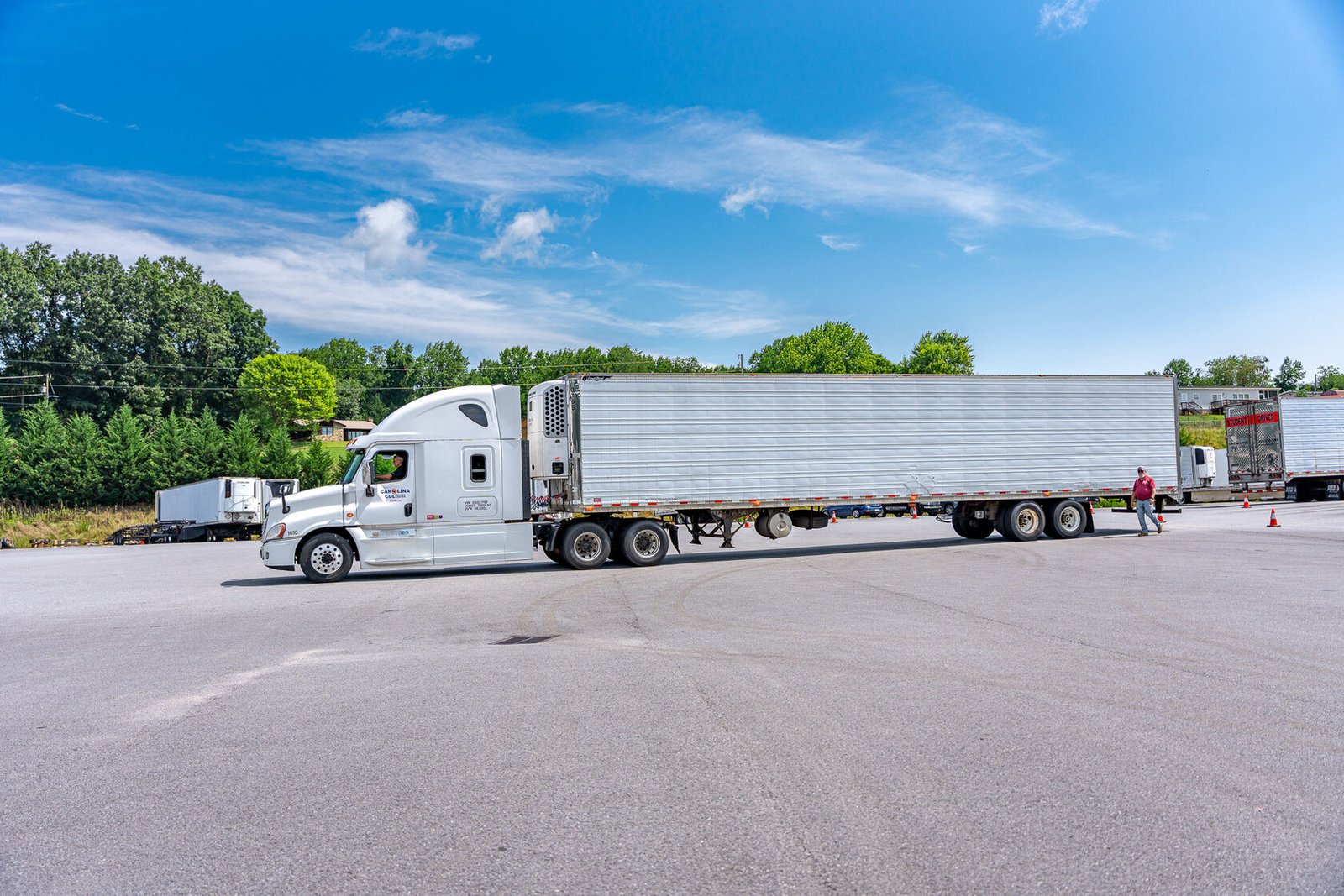
If you're starting a trucking career in 2026, this is one rule worth understanding up front. English language proficiency - usually shortened to ELP - has been a federal requirement for commercial drivers for years, but in 2025 it became something inspectors actively enforce at the roadside. Falling short can now put a driver out of service on the spot. The good news: the standard is practical, not academic, and a solid training program builds exactly the English you need on the job.
What the rule says
Federal regulation 49 CFR 391.11(b)(2) says a commercial driver must be able to read and speak English well enough to converse with the public, understand highway traffic signs and signals, respond to official questions, and make legible entries on reports and records. That language isn't new. What changed is enforcement.
Following a federal directive in spring 2025, the Commercial Vehicle Safety Alliance added ELP back to its out-of-service criteria effective June 25, 2025. In practical terms, that means a driver who can't meet the standard during an inspection can be taken off the road until the issue is resolved. In the second half of 2025 alone, inspectors recorded more than 12,000 ELP out-of-service violations nationwide, so this is being applied, not just written down.
How the roadside check works
Enforcement follows a two-step process, and it's worth knowing what to expect:
- Step one - a conversation in English. The inspector asks routine questions about your trip, your documents, and your cargo. The catch: this part has to be done in English without aids. Interpreters, smartphone translation apps, and cue cards are not allowed, because the point is to confirm you can actually communicate on your own.
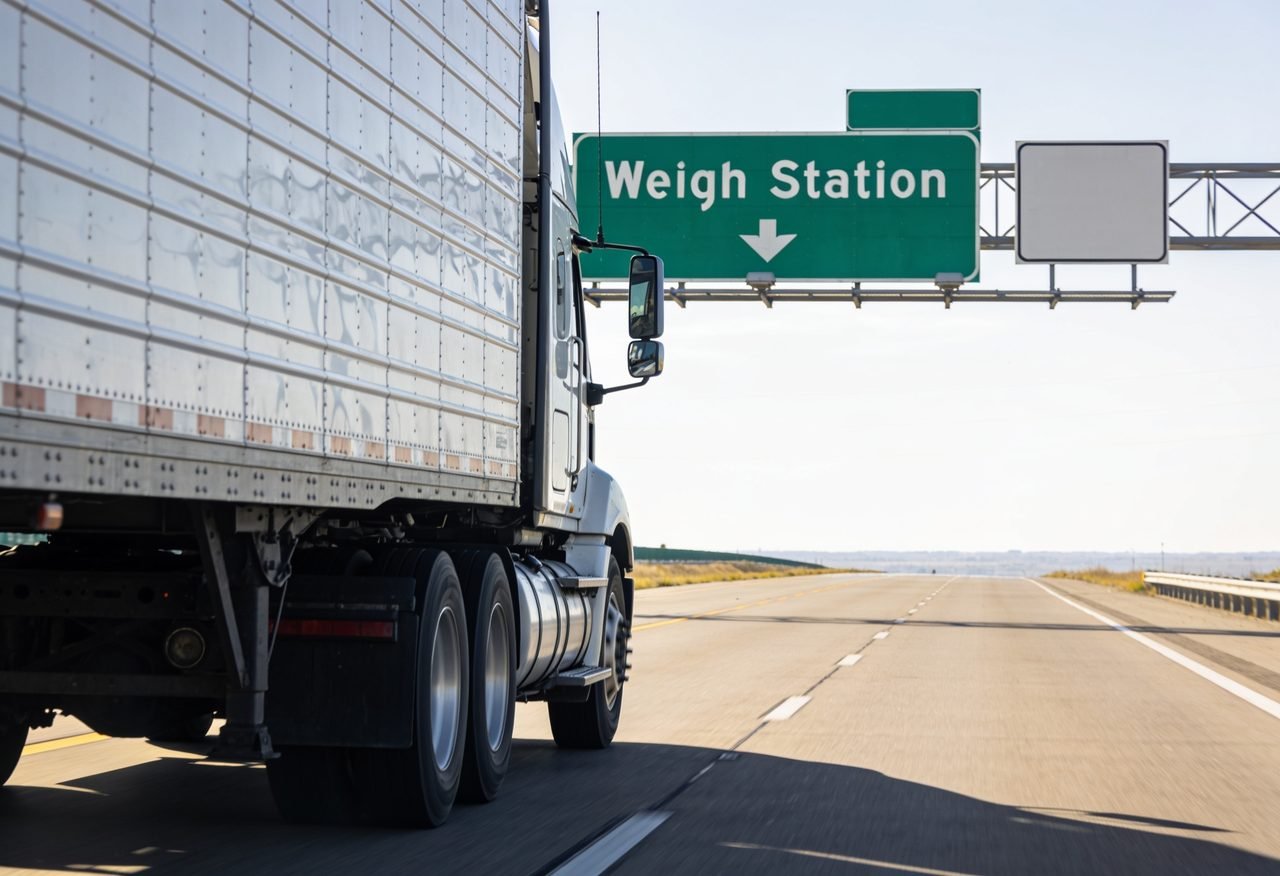
- Step two - reading highway signs. If the conversation raises a concern, the inspector checks whether you can recognize and explain common U.S. traffic signs, including the kind that use words rather than just symbols.
A driver who can hold a basic work conversation and read the signs on the highway has nothing to worry about. The rule isn't testing grammar or vocabulary for its own sake - it's testing whether you can operate safely and communicate at a weigh station, a delivery, or an accident scene.
What this means if English is your second language
Plenty of excellent drivers learned English as adults, and this rule does not shut you out. What it does is make on-the-job English a real part of being road-ready - the same way backing and pre-trip inspection are. If you're more comfortable in Spanish, you can absolutely build the working English the job requires, and the right place to do it is during training, where you're already learning the trade vocabulary anyway.
That's one reason our instruction puts you in real situations - radio calls, paperwork, sign recognition, and the back-and-forth of a roadside stop - in English. You finish not just knowing how to drive the truck, but able to handle the conversations that come with the job. (Prefer to start in Spanish? Our team is bilingual and can walk you through enrollment in either language.)
Simple ways to stay ready
- Practice describing your trip out loud: where you started, what you're hauling, where you're headed.
- Learn the common word-based signs - "Weigh Station," "Bridge Out," "Detour," "Road Closed," "Reduced Speed Ahead."
- Get comfortable reading your own logbook, bills of lading, and inspection reports in English.
- Don't lean on a translation app for the basics. It's fine for life, but it can't ride along during an inspection.
The bottom line
The English language rule isn't a reason to second-guess a trucking career - it's a baseline safety standard that any prepared driver clears without trouble. The smart move is to build that working English while you train, so it's second nature by the time you're solo. That's exactly how we run our program. See how to enroll, explore the Class A and Class B programs, or read our full guide to getting a CDL in North Carolina.
Questions about the requirement or about training in English as a second-language speaker? Reach out or call (888) 878-9986 - we're happy to help in English or Spanish.