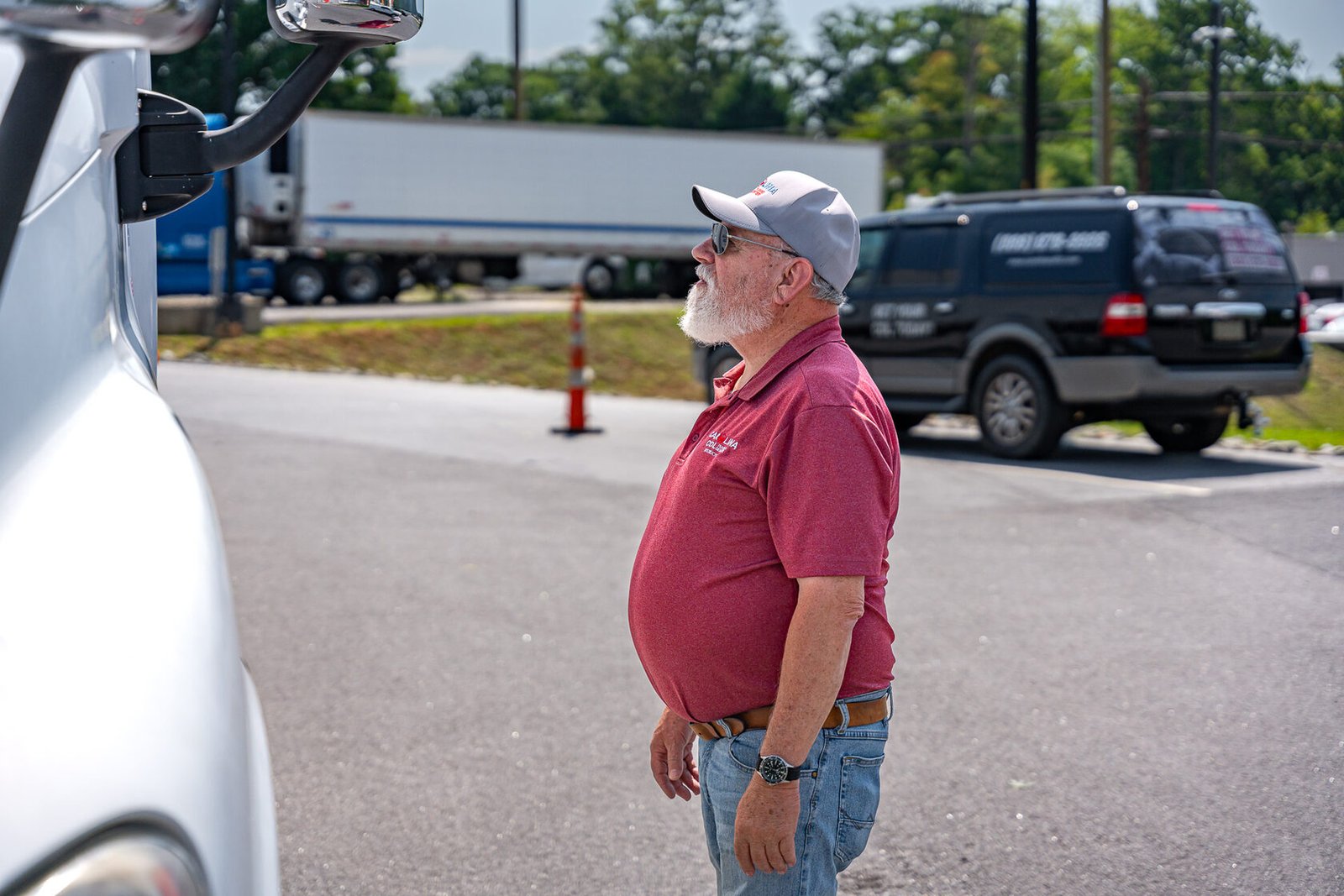
Most of getting your CDL is exactly what you'd expect: training, written tests, and a skills test. But there are two behind-the-scenes federal rules that changed in the last couple of years, and it's worth understanding them so nothing catches you off guard. Both are about making the system safer and simpler - and for a prepared driver, neither is a problem.
1. The Drug & Alcohol Clearinghouse
The Drug & Alcohol Clearinghouse is a federal database that tracks commercial drivers' drug and alcohol testing violations. It's been around since 2020, but a newer piece of the rule - sometimes called "Clearinghouse II" - took effect on November 18, 2024, and it has real teeth.
Here's what changed: state DMVs now have to check the Clearinghouse before issuing or renewing a CDL, and they must remove commercial driving privileges from any driver who has an unresolved violation on file. In plain terms:
- If you have a drug or alcohol violation that hasn't been resolved, the DMV can't issue your CDL until you complete the required "return-to-duty" process.
- Existing drivers in that situation get their CDL downgraded until they clear it up.
What it means for a new driver: for most people, nothing - you start with a clean record and keep it that way. Staying clean on drugs and alcohol isn't just a rule, it's part of being a professional behind the wheel of an 80,000-pound vehicle. If you do have something in your past, it's worth a quick, confidential conversation before you enroll so we can point you in the right direction. The system isn't designed to trap you; it's designed to make sure everyone on the road is fit to drive.
2. Your DOT medical card goes electronic
Every CDL driver has to pass a DOT physical - a medical exam that confirms you're healthy enough to drive commercially - and carry a medical certificate (often called a "med card"). As of June 23, 2025, the way that certificate reaches the DMV changed.
It used to be on you: you'd get the physical, receive a paper card, and then hand-deliver or mail a copy to the DMV yourself. Miss that step and your license could be downgraded over a paperwork slip. Now, the medical examiner submits your results electronically to the federal system, which forwards them straight to your state DMV. The handoff is automatic.
What it means for a new driver:
- Get your DOT physical from an examiner listed on the FMCSA National Registry of Certified Medical Examiners - that's what makes the electronic submission work.
- You no longer have to remember to walk a paper card into the DMV.
- It's still smart to keep your own copy of the certificate, especially while states finish rolling the system out.
How we help you stay on track
Part of what you're paying for at a real school is guidance through exactly this kind of thing. We make sure you understand the requirements, point you toward a certified medical examiner for your DOT physical, and help you avoid the small paperwork mistakes that trip people up. Because we're an ELDT-registered provider, your training completion is also reported to the federal registry automatically - so the compliance side is handled while you focus on learning to drive.
The bottom line
These two rules boil down to simple advice: start clean, stay clean, and get your DOT physical from a certified examiner. Do that, and the modern system actually works in your favor - less paperwork, fewer surprises, and a clear path to your CDL. See how to enroll or read our full guide to getting a CDL in North Carolina.
Have a question about your record or your medical card? Reach out or call (888) 878-9986 - we'll give you a straight answer.